
The Password Problem Is Finally Catching Up With Us
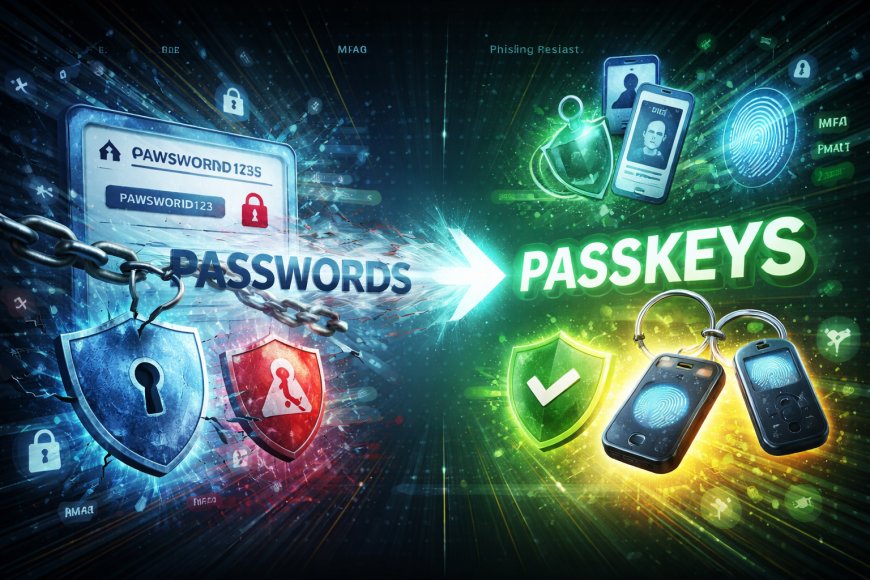
For decades, passwords have been the foundation of digital security. From email accounts to banking apps, we’ve relied on strings of characters to protect our most sensitive information. But in 2026, it’s becoming painfully clear: passwords are no longer enough.
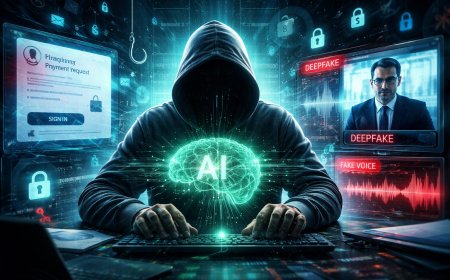
With the rise of AI-powered cyberattacks, phishing scams, and credential leaks, traditional authentication methods are failing at an alarming rate. Even strong passwords can be stolen, guessed, or bypassed.
So what’s replacing them?
Enter passkeys and phishing-resistant multi-factor authentication (MFA)—a new generation of security designed to eliminate the weaknesses of passwords entirely.
Why Passwords Are Failing
Passwords were never designed for today’s threat landscape. They rely heavily on human behavior—and humans are predictable.
Key Weaknesses of Passwords
- Reused across multiple accounts
- Easily phished through fake emails and websites
- Stored in databases that can be breached
- Difficult to remember, leading to weak choices
The Rise of Credential-Based Attacks
Cybercriminals now use:
- Credential stuffing (reusing leaked passwords)
- Brute-force attacks with AI assistance
- Phishing campaigns targeting login credentials
With billions of leaked credentials available online, attackers don’t need to hack—they just log in.
What Are Passkeys? A Simpler, Safer Alternative
Passkeys are a passwordless authentication method based on cryptographic key pairs.
How Passkeys Work
Instead of creating a password:
- Your device generates a unique cryptographic key pair
- The public key is stored on the service
- The private key remains securely on your device
- Authentication happens using biometrics (fingerprint, face scan) or device PIN
Key Advantages of Passkeys
- No password to steal or reuse
- Resistant to phishing attacks
- Seamless user experience
- Works across devices with secure syncing
Passkeys are already being adopted by major tech companies and platforms.
Understanding Phishing-Resistant MFA
Multi-factor authentication (MFA) adds an extra layer of security—but not all MFA is created equal.
Traditional MFA (Weak Points)
- SMS codes can be intercepted
- OTP apps can be tricked via phishing
- Users can be manipulated into sharing codes
Phishing-Resistant MFA (Stronger Security)
This includes:
- Hardware security keys
- Device-based authentication
- Cryptographic verification tied to the original domain
Why It Matters
Phishing-resistant MFA ensures that even if a user is tricked, attackers still can’t gain access.
Why Big Tech Is Moving Toward Passwordless
Companies like Apple, Google, and Microsoft are leading the shift toward passwordless authentication.
Reasons Behind the Shift
- Reduce account takeover incidents
- Improve user experience
- Lower support costs (password resets)
- Align with Zero Trust security models
This isn’t just a trend—it’s a fundamental shift in how identity works online.
The Role of AI in Breaking Traditional Authentication
Artificial intelligence is accelerating the downfall of passwords.
How AI Exploits Password Systems
- Generates highly convincing phishing pages
- Automates password guessing at scale
- Analyzes leaked data for patterns
- Mimics user behavior to bypass detection
As AI gets smarter, password-based systems become easier targets.
Real-World Use Cases of Passkeys
Passkeys are already being used in:
- Banking and fintech apps
- Enterprise login systems
- E-commerce platforms
- Cloud services
Users can log in with a fingerprint or face scan—no password required.
How Businesses Can Transition to Passwordless Security
1. Implement Passkey Support
Adopt standards like FIDO2 and WebAuthn to enable passwordless login.
2. Upgrade MFA Systems
Move away from SMS-based MFA toward phishing-resistant methods.
3. Educate Users
Help users understand the benefits and how to use passkeys.
4. Adopt Zero Trust Architecture
Verify every access request regardless of location or device.
Common Concerns About Passkeys (And the Truth)
“What if I lose my device?”
Passkeys can be synced securely across devices or recovered using backup methods.
“Are biometrics safe?”
Biometric data stays on your device and is not shared with services.
“Is this too complicated for users?”
In reality, passkeys are simpler—no passwords to remember or reset.
The Future of Authentication: What Comes Next?
Emerging Trends
- Passwordless-by-default systems
- AI-driven identity verification
- Behavioral biometrics
- Decentralized identity solutions
Authentication is becoming invisible—secure without friction.
A Passwordless World Is Closer Than You Think
The era of passwords is ending—not because of convenience, but because of necessity.
Passkeys and phishing-resistant MFA represent a major leap forward in cybersecurity. They eliminate the core vulnerabilities that attackers have exploited for decades.
For individuals and organizations alike, the message is clear:
Stop strengthening passwords—start replacing them.