
Introduction: The Weakest Link
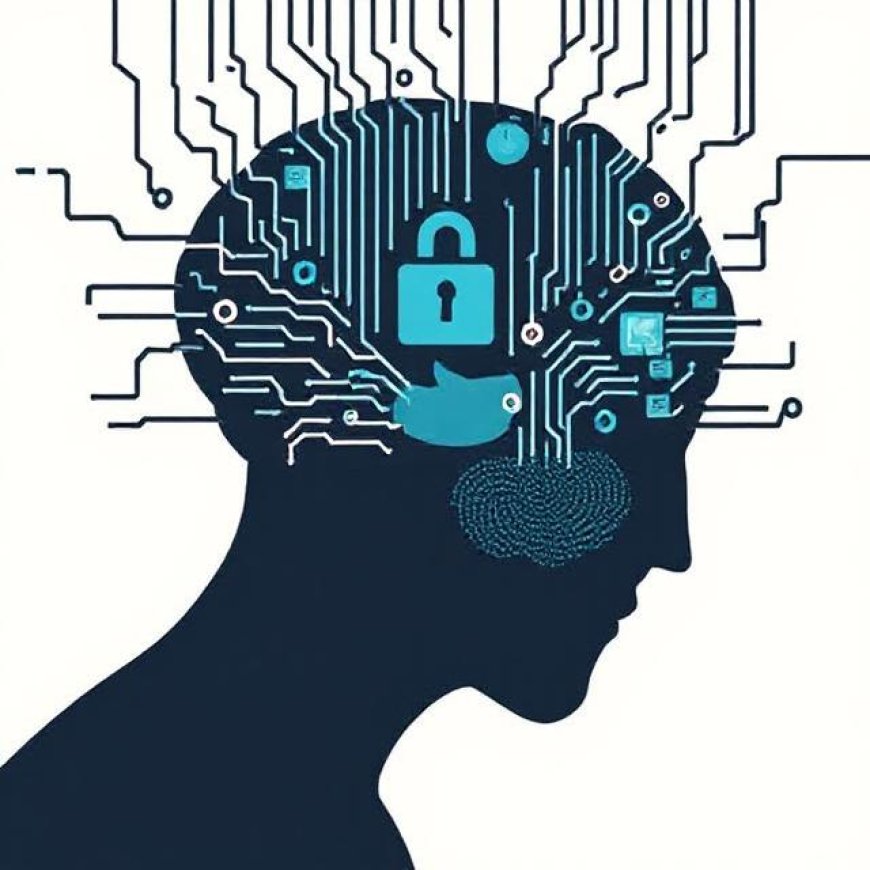
In the world of cybersecurity, the most vulnerable element is not the firewall, antivirus, or encryption algorithm — it’s human psychology. Social engineering preys on human error, exploiting trust, curiosity, and fear to breach even the most secure systems.
This article explores the deceptive world of social engineering, how hackers manipulate people rather than machines, and what individuals and organizations can do to protect themselves.
1. What Is Social Engineering?
Social engineering is a manipulative tactic used by cybercriminals to deceive individuals into revealing confidential information or performing actions that compromise security. It often involves psychological manipulation, bypassing technological safeguards entirely.
These attacks can be highly convincing — sometimes indistinguishable from genuine communications — and are often the first step in larger cyberattacks like ransomware or data breaches.
2. The Psychology Behind the Hack
To understand social engineering, we must first understand human behavior. Attackers exploit:
- Trust: People naturally want to be helpful.
- Fear: Urgent warnings from "IT support" prompt irrational actions.
- Curiosity: Suspicious attachments or links trigger instinctive clicks.
- Authority: Messages that appear to come from a boss or government official carry weight.
By crafting believable stories and scenarios, attackers exploit the emotional responses of their targets.
3. Common Types of Social Engineering Attacks
3.1 Phishing
The most common form. Attackers impersonate trusted entities via email or text to steal login credentials or financial information.
3.2 Spear Phishing
A more targeted version. Uses personal details to tailor messages to specific individuals, making them more believable.
3.3 Pretexting
An attacker invents a false identity (e.g., tech support, HR, police) to trick victims into disclosing sensitive information.
3.4 Baiting
Leaves physical or digital bait (e.g., a USB drive labeled "confidential") that the target is tempted to access.
3.5 Quid Pro Quo
Promises a benefit (e.g., a free gift or help with an issue) in exchange for login details or other access.
3.6 Vishing and Smishing
Voice (vishing) and SMS (smishing) attacks mimic legitimate communications to extract personal data or credentials.
4. Real-World Examples That Made Headlines
· Twitter Hack (2020): Attackers used phone spear phishing to gain access to internal tools and compromise accounts of public figures like Elon Musk and Barack Obama.
· Target Data Breach (2013): Began with phishing emails sent to an HVAC subcontractor. Eventually led to the theft of 40 million credit card numbers.
· Google and Facebook Scam (2013–2015): A Lithuanian man impersonated a vendor and tricked employees into wiring over $100 million.
These examples illustrate how manipulating people, not breaking code, is often the fastest way into a system.
5. Why Social Engineering Is So Effective
- Low cost, high return: It’s easier to trick a human than to hack a firewall.
- No software required: Relies purely on psychology.
- Hard to detect: Victims often don’t realize they’ve been manipulated until it’s too late.
- Rapidly evolving: AI-generated deepfakes and voice cloning are making attacks even more convincing.
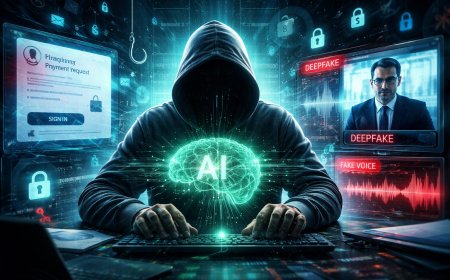
6. The Rise of AI in Social Engineering
Artificial intelligence is now being weaponized by cybercriminals:
- Deepfake videos and voice impersonation can fake a CEO’s commands.
- AI chatbots mimic customer service agents to extract data.
- Language models generate flawless, tailored phishing emails.
As AI becomes more sophisticated, social engineering will become harder to spot and more damaging.
7. Who Is Most at Risk?
- Employees with access to sensitive data (e.g., HR, Finance, IT).
- Remote workers, especially those working without secure networks.
- Executives, who are often targeted in whaling attacks.
- New hires, who may not yet understand security protocols.
- Elderly individuals, often targeted in scams involving fear or compassion.
8. Prevention and Mitigation Strategies
8.1 Security Awareness Training
Teach employees to recognize suspicious emails, calls, or links. Regular simulated phishing tests can be highly effective.
8.2 Multi-Factor Authentication (MFA)
Even if login credentials are stolen, MFA can prevent unauthorized access.
8.3 Zero Trust Model
Never assume anyone is trustworthy by default. Always verify.
8.4 Clear Reporting Channels
Make it easy for employees to report suspicious interactions without fear of punishment.
8.5 Use of Technology Tools
- Email filtering and spam detection
- Behavioral analytics software
- Endpoint protection platforms
9. Building a Human Firewall
Your workforce can be your greatest vulnerability — or your strongest line of defense.
To build a human firewall:
- Reinforce security culture at all levels.
- Encourage questioning and skepticism.
- Reward employees who report threats.
- Avoid overloading with jargon — keep communication clear and relatable.
10. Final Thoughts: Trust Is Earned, Not Given
As long as there are humans in the cybersecurity equation, there will be social engineering. No tool, firewall, or AI system can replace critical thinking and awareness.
In a world where trust is constantly weaponized, the best defense is an informed and vigilant mind.