
Executive Summary
Ransomware has rapidly evolved from isolated disruptions into a multi-billion-dollar cybercrime industry that threatens national security, disrupts vital infrastructure, and devastates businesses globally. This article dives deep into how ransomware works, why it's so destructive, and the far-reaching economic impact it imposes on modern organizations.
1. Understanding Ransomware: More Than Just a Virus
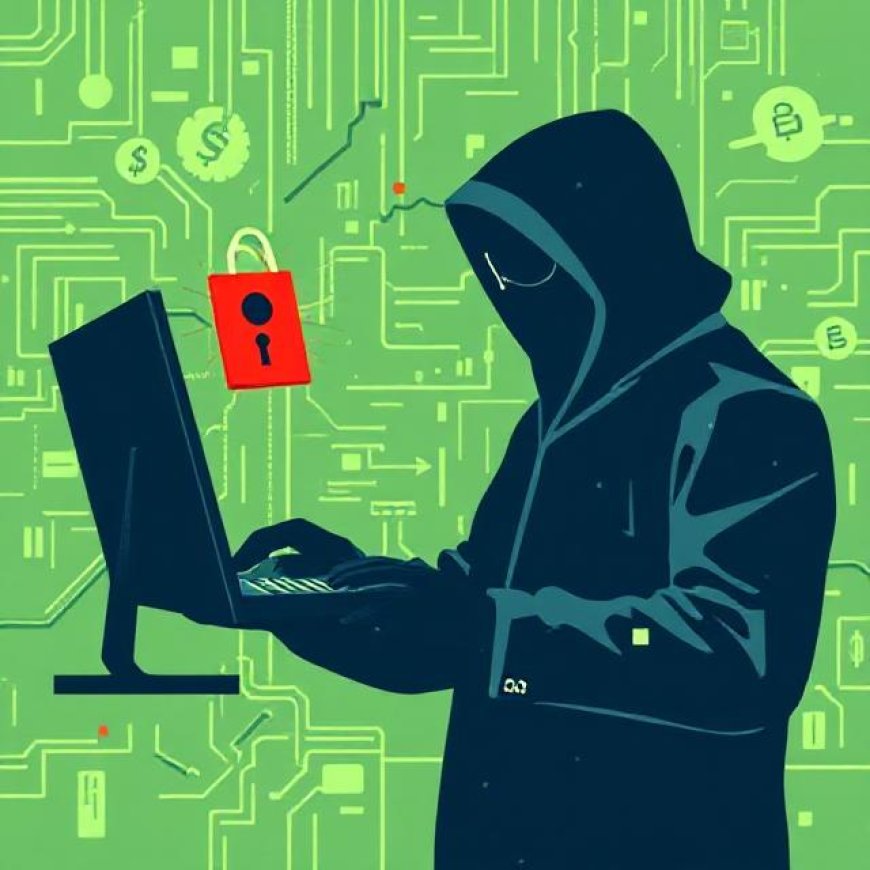
Ransomware is a type of malicious software that encrypts a victim's files or system until a ransom is paid, often in cryptocurrency. But behind this basic definition lies a complex, growing criminal enterprise.
The attack usually follows these steps:
- Infection via phishing emails, software vulnerabilities, or malicious downloads
- File encryption, locking users out of critical systems
- Display of a ransom note demanding payment in exchange for a decryption key
2. The Cost of a Ransom: Visible and Invisible
While ransom payments can range from a few thousand to tens of millions of dollars, the true cost of a ransomware attack includes:
- Downtime: Interruptions in operations, sometimes lasting weeks
- Data loss: Permanent loss of sensitive or proprietary information
- Reputation damage: Loss of customer trust and investor confidence
- Legal fees and compliance penalties
- System rebuilding and security audits
According to Cybersecurity Ventures, global ransomware damages were estimated to reach $20 billion in 2024 — and are projected to exceed $30 billion by 2026.
3. The Rise of Ransomware-as-a-Service (RaaS)
Criminal gangs no longer need technical expertise to launch attacks. Ransomware-as-a-Service platforms offer:
- Pre-built ransomware kits
- Affiliate commission models
- Technical support (yes, really)
This industrialized model has lowered entry barriers and multiplied the number of attackers. It’s why ransomware has become one of the fastest-growing cyber threats in history.
4. High-Profile Ransomware Incidents That Shook the World
· Colonial Pipeline (2021): A ransomware attack shut down 45% of the U.S. East Coast’s fuel supply. The company paid $4.4 million in Bitcoin to regain control.
· JBS Foods (2021): One of the world’s largest meat producers paid an $11 million ransom after a REvil ransomware attack.
· NHS UK (2017): The WannaCry ransomware disrupted over 80 hospital trusts, forcing surgeries to be canceled and emergency care diverted.
Each attack exposed vulnerabilities in critical infrastructure, sparking debates around cyber readiness and resilience.
5. Why Ransomware Works: Psychology and Pressure
Ransomware attackers are strategic. They:
- Time attacks for weekends or holidays when IT staff are limited
- Encrypt not just data, but also backups and cloud storage
- Target hospitals, schools, and governments where uptime is critical
- Leak stolen data if ransoms are not paid (double extortion tactics)
Organizations often feel they have no choice but to pay — especially when lives or public safety are at risk.
6. The Business of Fear: Ransomware Economics
Economically, ransomware is fueled by:
- Low risk for attackers (especially those overseas)
- High potential reward
- Anonymous payments via cryptocurrency
- Insufficient global coordination on cybercrime law enforcement
Some cybercriminal groups even employ negotiation specialists to extract the maximum ransom without pushing victims to seek alternatives.
7. Who Are the Main Targets?
Contrary to myth, ransomware attacks don’t only target large enterprises.
Most common victims include:
- Small and mid-sized businesses (SMBs)
- Healthcare institutions
- Educational institutions
- Municipal governments and utilities
- Law firms and financial institutions
These sectors are chosen due to the high value of their data and often inadequate cybersecurity defenses.
8. Global Responses and Regulatory Shifts
Governments are stepping up. For example:
- The U.S. Treasury has issued advisories warning companies against paying ransoms to sanctioned entities.
- The European Union’s NIS2 Directive mandates improved cybersecurity risk management.
- Cyber insurance is becoming a requirement in many sectors, but premiums are rising sharply due to growing claims.
Despite these efforts, global coordination remains fragmented.
9. Prevention Is Cheaper Than Recovery
Key prevention strategies include:
- Regular offline backups
- Patch management: Keep all systems updated
- Zero Trust architecture
- Employee awareness training
- Endpoint detection and response (EDR)
- Multi-factor authentication (MFA)
A 2023 report by IBM found that organizations with full incident response plans saved an average of $1.5 million per breach compared to those without.
10. Ethical Dilemma: To Pay or Not to Pay?
Paying a ransom may feel like the only viable option, but it:
- Funds future attacks
- Does not guarantee full restoration
- May violate local or international laws
Most cybersecurity experts and governments advise against paying. Instead, they encourage incident reporting, investigation, and long-term fortification.
Final Words: Resilience Over Ransom
Ransomware isn’t going away. But with the right investments in technology, training, and policy, its impact can be mitigated.
In a digital world, cyber resilience is no longer optional — it’s a business imperative.