
Apple will mark a historic milestone: its 50th anniversary. Half a century after Steve Jobs, Steve Wozniak, and Ronald Wayne founded the company in a garage in Los Altos, California, Apple has evolved from a scrappy startup into one of the most valuable and influential corporations in the world. Its journey—defined by bold design, relentless innovation, and a cult-like following—has reshaped industries, redefined consumer technology, and left an indelible mark on global culture.
From Garage to Global Dominance: The Apple Story
The Humble Beginnings (1976–1984)
Apple was born on April 1, 1976, when Jobs and Wozniak introduced the Apple I, a hand-built computer sold to hobbyists. By 1977, the Apple II became a sensation, popularizing personal computing with its color graphics and user-friendly design. The launch of the Macintosh in 1984—the first mass-market computer with a graphical user interface (GUI)—ushered in a new era of computing, challenging the dominance of Microsoft and IBM.
The Jobs Era: Revolutionizing Tech (1997–2011)
Steve Jobs’ return to Apple in 1997 marked a turning point. Under his leadership, the company launched:
- The iMac (1998): A colorful, all-in-one desktop that redefined Apple’s design aesthetic.
- The iPod (2001): A portable music player that revolutionized the music industry.
- The iPhone (2007): A device that merged computing, communication, and the internet into a single, intuitive package. The iPhone didn’t just create a new product category—it redefined human interaction with technology.
- The iPad (2010): A tablet that bridged the gap between laptops and smartphones, creating a new market.
The Cook Era: Sustainability and Services (2011–Present)
Under Tim Cook, Apple has expanded beyond hardware into services (Apple Music, Apple TV+, iCloud) and sustainability. Key milestones include:
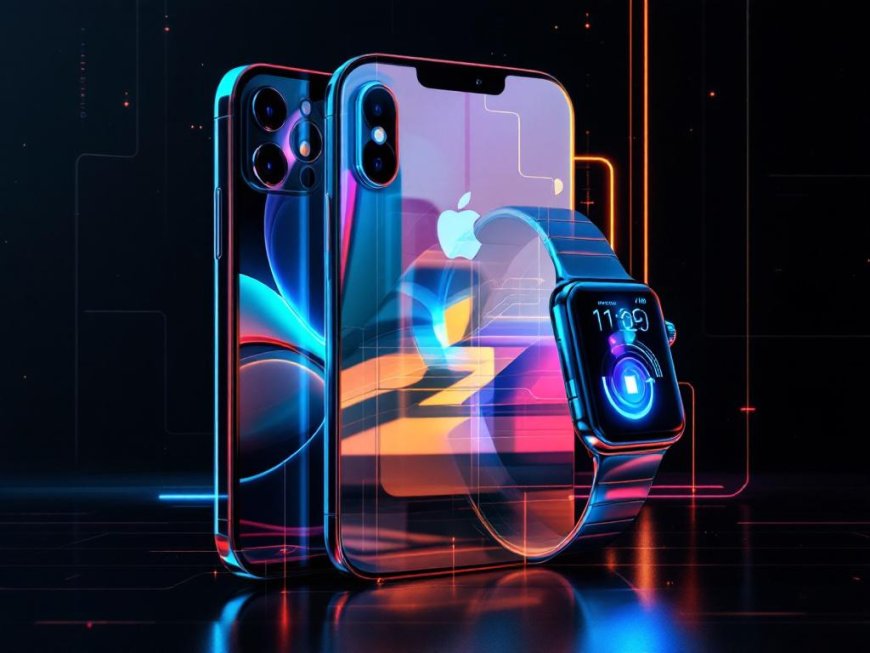
- The Apple Watch (2015): The world’s most popular smartwatch, blending health tracking and fashion.
- The M-series chips (2020–present): Custom silicon that powers Macs, iPads, and iPhones, delivering unmatched performance and efficiency.
- Carbon neutrality by 2030: A pledge to eliminate its carbon footprint, setting a new standard for corporate sustainability.
The Apple Ecosystem: A Seamless Digital Life
Apple’s strength lies in its ecosystem—a tightly integrated network of devices and services that work seamlessly together. From AirDrop to iCloud, Apple’s ecosystem keeps users locked in, creating a loyal customer base that spans generations.
The iPhone: Still the Heart of Apple
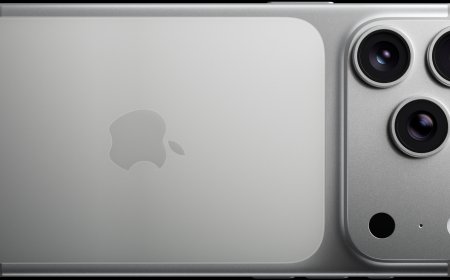
Despite the rise of Android and foldable phones, the iPhone remains Apple’s flagship product. With over 2 billion active devices worldwide, the iPhone accounts for more than 50% of Apple’s revenue. The latest models, featuring advanced AI, augmented reality (AR), and foldable designs, continue to push the boundaries of what a smartphone can do.
Wearables and Health: The Next Frontier
Apple’s health-focused innovations—such as the Apple Watch’s ECG and blood oxygen monitoring—are transforming personal healthcare. The company’s Vision Pro headset, announced in 2023, represents a bold step into spatial computing, blending the physical and digital worlds.
Cultural Impact: More Than Just a Tech Company
Apple isn’t just a technology company—it’s a cultural phenomenon. Its products have become status symbols, its retail stores tourist attractions, and its marketing campaigns legendary. From the "Think Different" ads of the 1990s to the "Shot on iPhone" campaigns, Apple has mastered the art of emotional storytelling.
The Apple Store: A Retail Revolution
Launched in 2001, Apple’s brick-and-mortar stores redefined retail with their minimalist design, free workshops, and Genius Bars. Today, there are over 500 Apple Stores worldwide, each serving as a community hub for tech enthusiasts.
Apple’s Brand Value: The Most Valuable in the World
In 2026, Apple’s brand value was ranked #1 globally by Brand Finance, with a worth of $355 billion. Its trustworthiness, innovation, and design have made it a household name in over 100 countries.
Challenges and Criticisms
Despite its success, Apple faces growing scrutiny:
- Regulatory battles: Antitrust lawsuits in the U.S. and Europe over its App Store policies and iPhone dominance.
- Supply chain concerns: Reports of labor abuses in China and environmental impact of rare earth mining.
- Competition: Rivals like Samsung, Google, and Meta are catching up in AI, wearables, and foldable devices.
Yet, Apple’s strong brand loyalty and deep pockets ($381 billion in cash reserves as of 2026) ensure it remains a dominant force in tech.
Looking Ahead: What’s Next for Apple?
As Apple celebrates its 50th anniversary, the company is betting big on:
- Artificial Intelligence: Integrating AI into every product, from iPhones to Macs.
- Augmented Reality (AR): Expanding the Vision Pro ecosystem and AR glasses.
- Health Tech: Launching advanced health monitoring tools via the Apple Watch.
- Autonomous Vehicles: Rumors persist about Apple’s Project Titan, an electric self-driving car expected by 2028.
"Apple’s greatest legacy isn’t just the products it’s created—it’s the way it’s changed how we live, work, and interact with the world." — Tim Cook, Apple CEO
How to Celebrate Apple’s 50th Anniversary
Fans worldwide are marking the occasion with:
- Special edition products (rumored to include a gold iPhone and retro-inspired Macs).
- Limited-edition merchandise (e.g., 50th-anniversary Apple Watch bands).
- Global events (from Cupertino to Tokyo, Apple Stores will host exhibitions and workshops).
Resources
- Apple’s Official History
- Brand Finance – Global 500 2026
- Statista – Apple Revenue 2026
- The Verge – Apple’s AI and AR Future
- Bloomberg – Apple’s Self-Driving Car Project